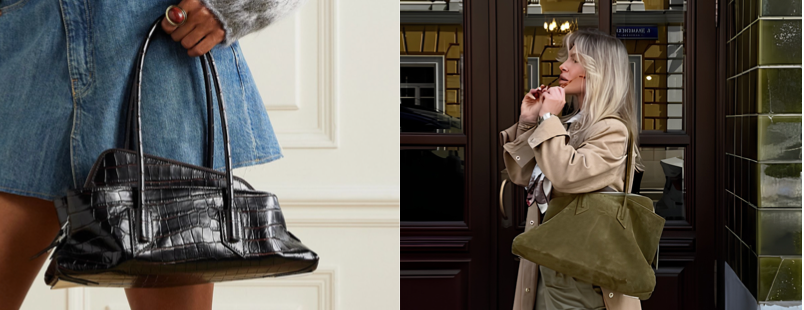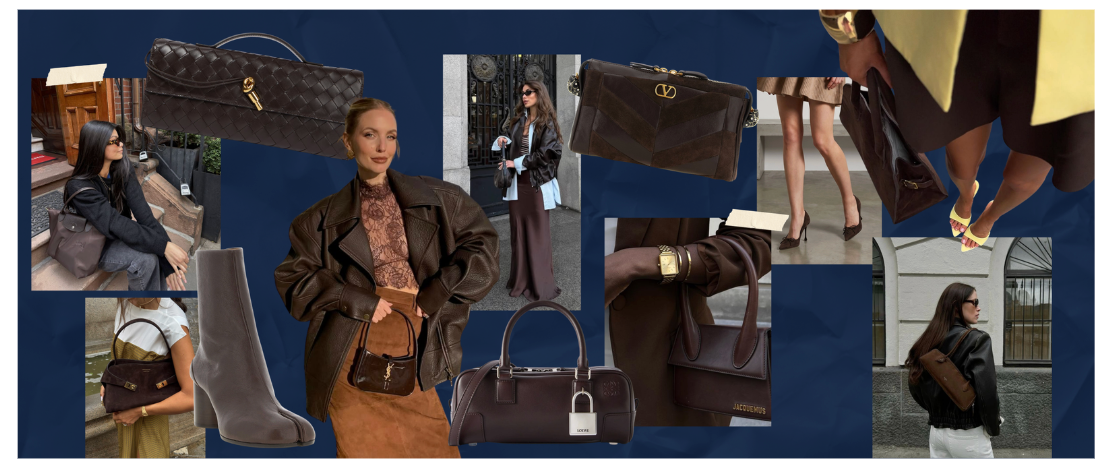
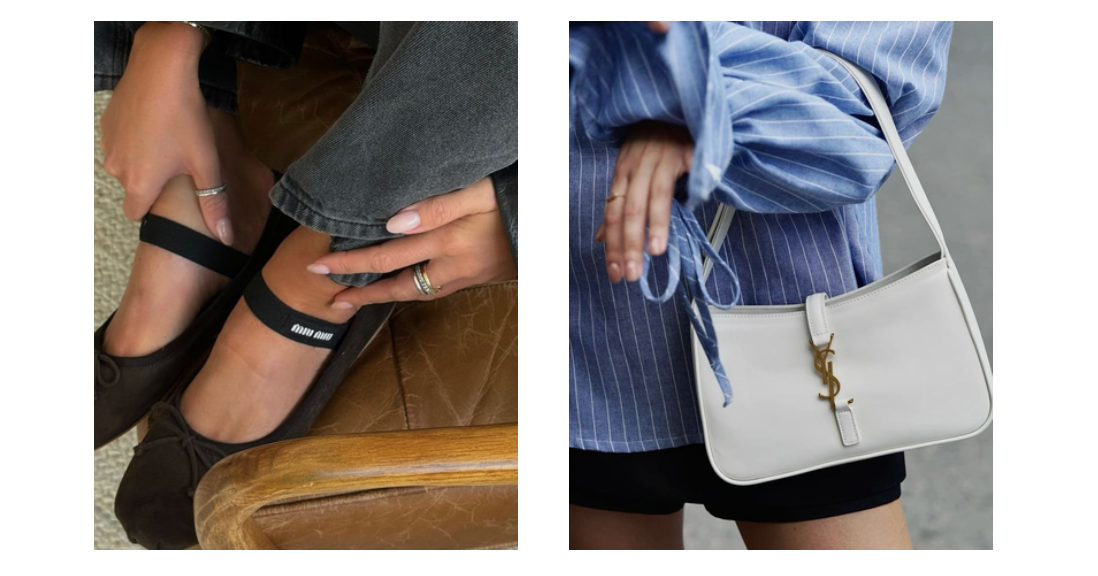
You see something you love – maybe a perfectly structured Saint Laurent Le 5 à 7 or a pair of Miu Miu ballet flats… and instead of buying it, you tell yourself, “I’ll come back to it.”
It feels responsible. Thoughtful, even. Like you’re being sensible about your choices.
But here’s what usually happens.
You don’t come back.
Or worse! You come back, and it’s gone. Or you’re no longer sure about it. Or you’ve already moved on to the next thing.
And that’s where it gets interesting, because this isn’t just about shopping. It’s about behaviour.
“Saving for later” gives you the emotional satisfaction of buying… without actually committing. Psychologically, your brain already feels like it owns the piece. The decision feels made. The excitement fades. And so does the urgency.
It’s a kind of false closure.
Which is why so many beautiful things end up sitting in wishlists instead of wardrobes.
Now of course, this doesn’t mean you should impulse-buy everything you like. But there’s a difference between pausing with intention and postponing out of habit.
When you see something that genuinely fits your life and not just your mood, it usually stays with you.
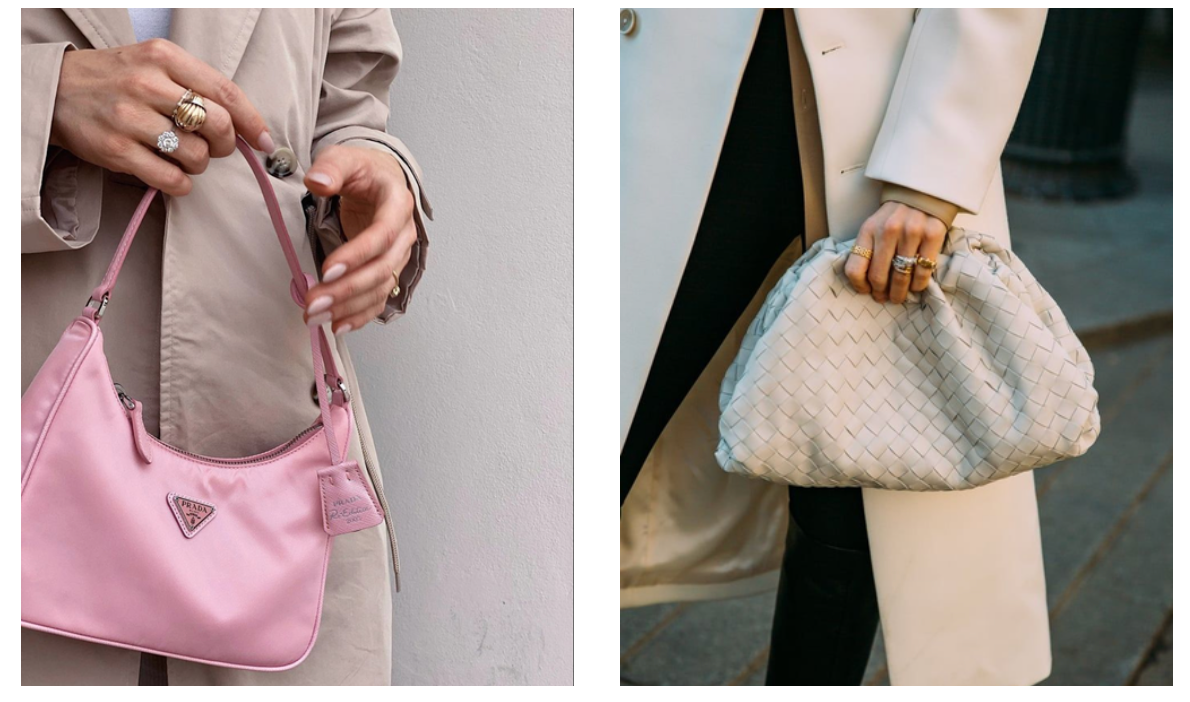
For example, a Prada Re-Edition 2005 Nylon Bag isn’t exciting for five minutes; it’s useful every day. A Bottega Veneta clutch isn’t just beautiful in a store; it works across seasons, outfits, and occasions.
Those are the pieces that are worth going back for.
The ones you’re still thinking about after coffee. After dinner. Even the next day.
Because the truth is, the best purchases don’t feel rushed, but they also don’t get endlessly postponed.
They feel… clear.
So maybe the question isn’t “Should I save this for later?”
It’s “Is this something I’ll keep reaching for?”
And if the answer is yes,
you probably already know what to do! *wink wink*